A Celebration of Dialogue, Recognition, and a Vision for the Future
- The Tequila agroindustry brought together authorities from all three levels of government, industry leaders, and experts to celebrate the legacy, authenticity, and global leadership of Tequila.
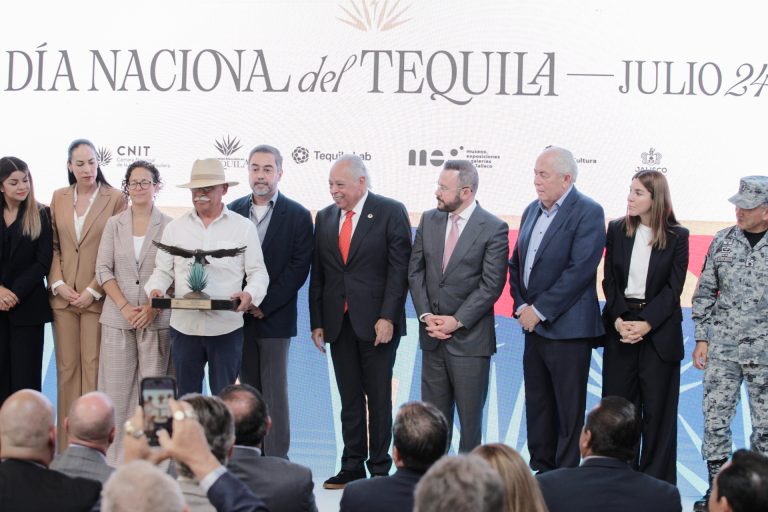
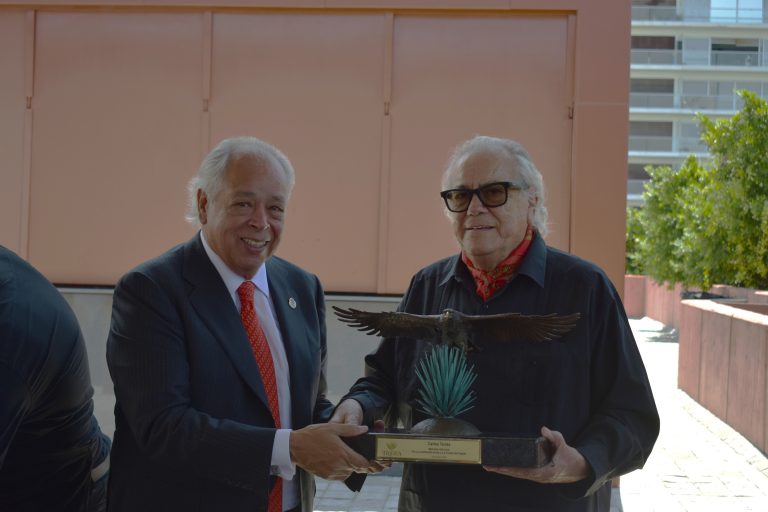
- During the event, the National Tequila Day Commemorative Institutional Bottle was unveiled, and sculptors Camilo Ramírez and Carlos Terrés were honored for their contribution to the cultural heritage of Tequila.
Zapopan, Jalisco, Mexico, July 24, 2026. — The aroma of agave, meaningful dialogue among industry experts, recognition of artistic talent, and the pride of an agroindustry that represents Mexico around the world marked the first official celebration of Mexico’s National Tequila Day, which, beginning this year, will be commemorated annually on July 24.
Held at Tequila Lab, the event brought together representatives of the Government of Mexico, the Government of Jalisco, the National Chamber of the Tequila Industry (CNIT), the Tequila Regulatory Council (CRT), Tequila producers, academics, and business leaders to celebrate far more than a spirit. Today, Tequila stands as one of Mexico’s foremost symbols of national identity and one of the country’s most internationally recognized products.
Following the approval of the Congress of the Union and the Senate of the Republic, the designation of July 24 as Mexico’s National Tequila Day was published in the Official Gazette of the Federation (Diario Oficial de la Federación) last May, aligning the national celebration with international commemorations of Tequila. This milestone strengthens the spirit’s global presence and recognizes that the country of origin of this Appellation of Origin should have an official date to honor the agroindustry that has made its success possible.
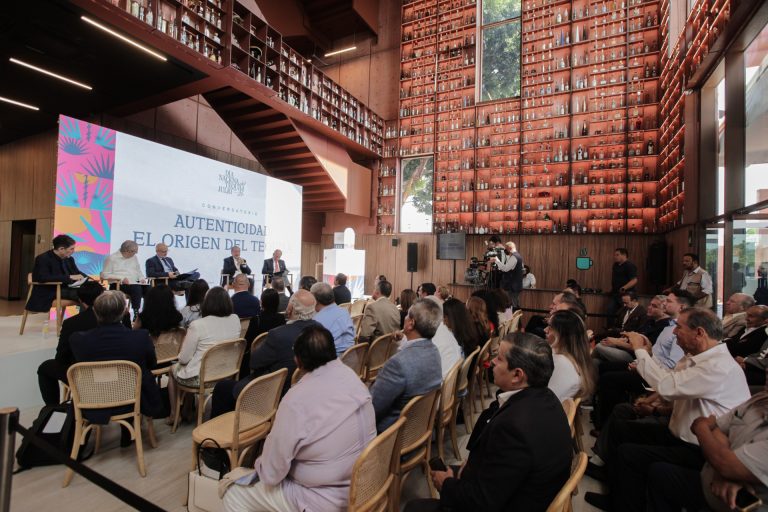
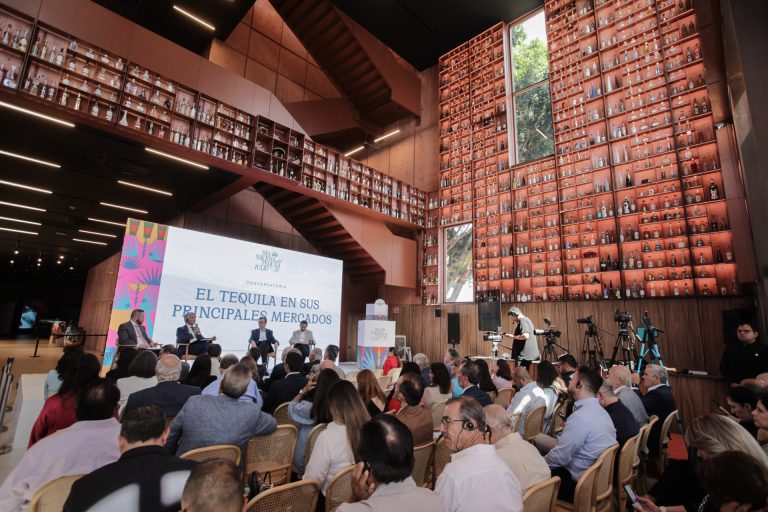
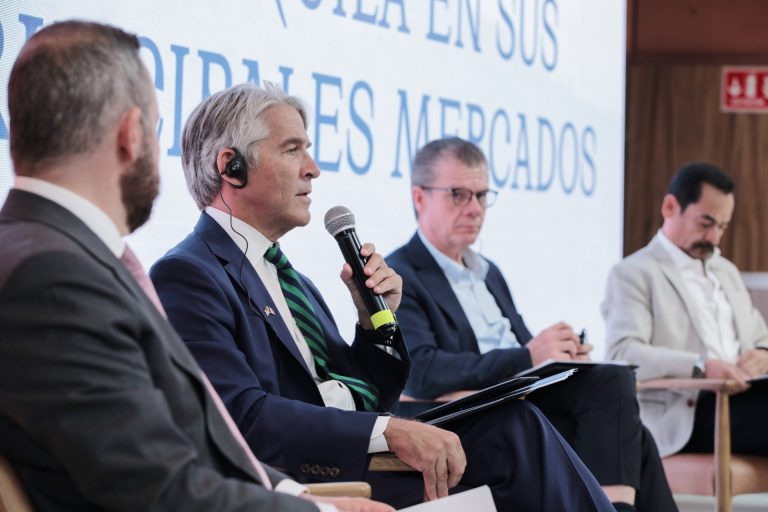
The program began with a forum for reflection through the panel discussion “Authenticity: The Origin of Tequila.” This was followed by a second discussion entitled “Tequila in Its Major International Markets.” Prior to the official ceremony, Vidal Llerenas Morales, Director General of the Mexican Institute of Industrial Property (IMPI), delivered the keynote address “Tequila: Protected Origin, Recognized Identity,” highlighting the strategic role of intellectual property and Appellation of Origin in safeguarding products that embody Mexico’s prestige around the world.
 |
 |
 |
 |
Recognition that Drives Progress
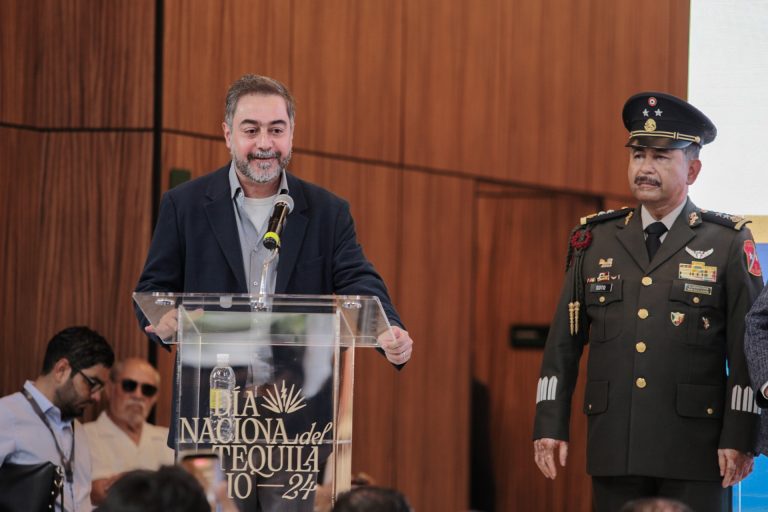
Following the panel discussions and keynote address, the National Tequila Day Official Ceremony took place.
Representing the Governor of Jalisco, Pablo Lemus Navarro, the Secretary of Tourism, Michelle Fridman Hirsch, highlighted the role tourism has played in strengthening the Tequila agroindustry, stating:
“Tequila has found in tourism a great ally to diversify its economy—not only by generating value through the agroindustry and the commercialization of this spirit, but also through tourism, an area in which we have worked hand in hand.”

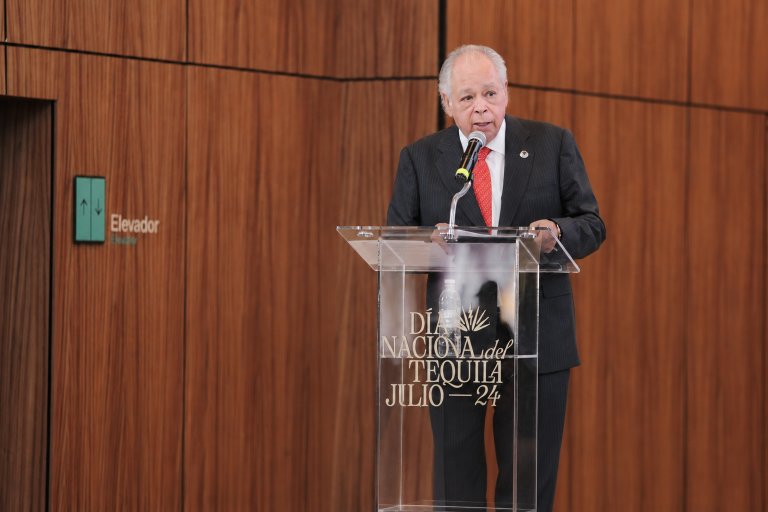
For his part, Aurelio López Rocha, President of the Tequila Regulatory Council (CRT), presented an overview of the agroindustry’s performance during the first six months of the year, noting that:
“During the first half of 2026, 302.1 million liters of Tequila were produced, while exports reached 214.4 million liters, representing a 3.3% increase compared to the same period last year. In addition, 1.17 million metric tons of agave were used in Tequila production. Today, there are 229 authorized Tequila producers and 3 402 registered Tequila brands associated with those authorized producers. These figures represent far more than statistics—they reflect consumers’ confidence in and preference for Mexico’s national spirit, as well as the tremendous potential of the Tequila category.”
 |
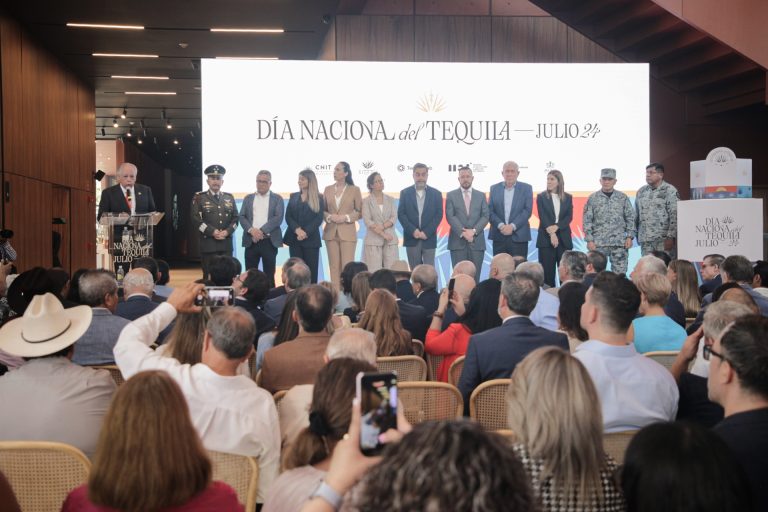 |
One of the ceremony’s most memorable moments was the presentation of awards to sculptors Camilo Ramírez and Carlos Terrés, whose artistic work has made a significant contribution to preserving and promoting the cultural heritage associated with Tequila.
 |
 |
The ceremony continued with the unveiling of the National Tequila Day Commemorative Institutional Bottle, a special edition created through a unique blend made possible by the voluntary participation of Tequila-producing companies. More than a commemorative bottle, it symbolizes the unity of an industry that, beyond individual brands, shares the same origin, the same quality standards, and the same commitment to Mexico.
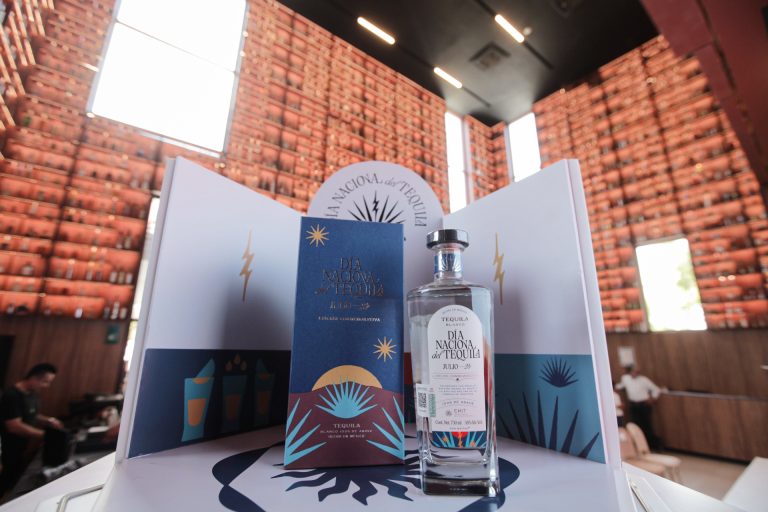
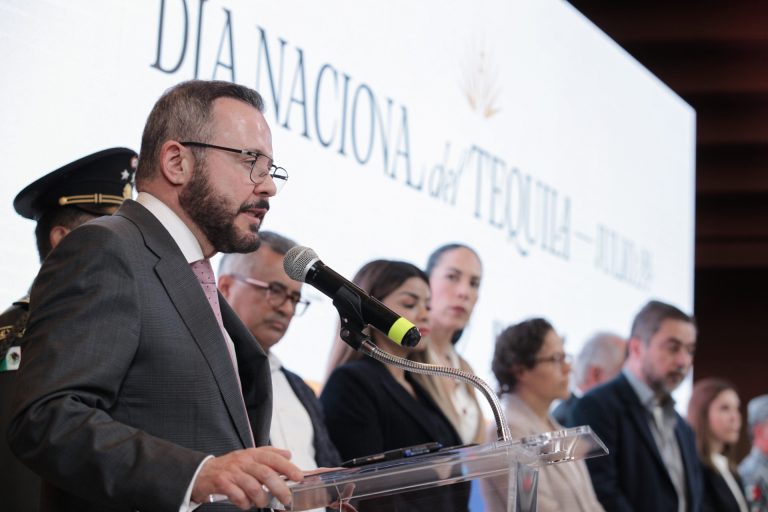
While presenting this commemorative edition, Roberto Ciprés Cruces, President of the National Chamber of the Tequila Industry (CNIT), acknowledged:
“This blend is the result of trust, generosity, and the shared vision of an agroindustry that understood that when the purpose is greater than our differences, collaboration becomes our greatest strength.”
He also emphasized:
“We hope this commemoration in Mexico will help strengthen the Tequila category and project a renewed vision of Tequila—one that recognizes that speaking about Tequila is speaking about our roots.”
Tequila: A Source of Pride and a Driver of Economic Growth
The celebration also provided an opportunity to highlight the economic significance of the Tequila agroindustry, one of the most dynamic sectors of Mexico’s economy. Tequila is produced exclusively within the five states protected under the Tequila Appellation of Origin: Jalisco, Guanajuato, Michoacán, Nayarit, and Tamaulipas.
Each year, the Tequila agroindustry produces approximately 598 million liters of Tequila, generates more than 100 000 direct and indirect jobs, and supports economic activity across 181 municipalities. Today, Tequila is exported to more than 120 countries, with annual exports exceeding 400 million liters. The United States accounts for approximately 81% of international shipments, followed by Germany, Spain, Canada, France, Japan, the United Kingdom, Australia, and Italy. In the domestic market, one out of every three spirits consumed in Mexico is Tequila, reaffirming its leadership both at home and abroad.
Within this context, Federal Representative Carol Antonio Altamirano highlighted the initiatives being promoted by the Legislative Branch to strengthen the sector’s competitiveness, stating:
“All parliamentary groups agreed to establish a working group to review the tax treatment of alcoholic beverages. It may sound simple, but for many years no one had addressed this issue. The goal is to determine how we can better support small producers, distilled spirits, and especially the Tequila agroindustry, so that it can become even more competitive.”
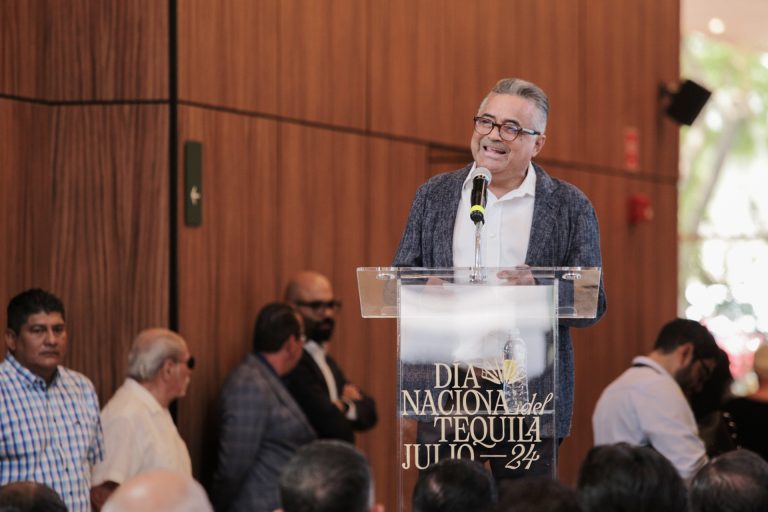
For his part, Leonel Cota Montaño, Deputy Minister of Agriculture of the Government of Mexico, recognized the Tequila agroindustry as a model of national development, stating:
“Like many other industries, it enables us to say that Mexico is a country of development and social and economic prosperity. It allows us to carry the banner of Tequila in an increasingly competitive world. I extend my sincere recognition to the leaders of this industry, to the members of the Chamber of Deputies and the Senate who made this celebration possible, and to the Government of Mexico for issuing the decree establishing July 24 as Mexico’s National Tequila Day, allowing us to gather here today to celebrate together.”
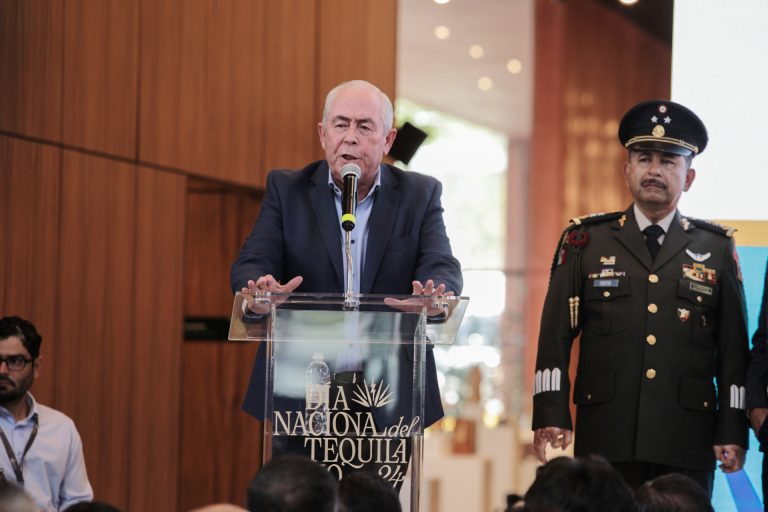
To conclude the festivities, the Tequila, Gastronomy and Mariachi Fair welcomed the public with the participation of 26 distilleries, offering complimentary tastings and showcasing the remarkable versatility of Tequila.

The significance of Tequila extends far beyond economic indicators. The Agave Landscape and Ancient Industrial Facilities of Tequila, inscribed on UNESCO’s World Heritage List, recognizes the profound connection between this spirit, the land, and the communities that have preserved, across generations, an ancestral tradition and knowledge that today distinguish Mexico around the world.
With this first official celebration of Mexico’s National Tequila Day, the Tequila agroindustry reaffirms its commitment to strengthening authenticity, quality, innovation, and responsible consumption, making every July 24 an opportunity to honor the land, the people, and the tradition that give life to Mexico’s most emblematic spirit.